
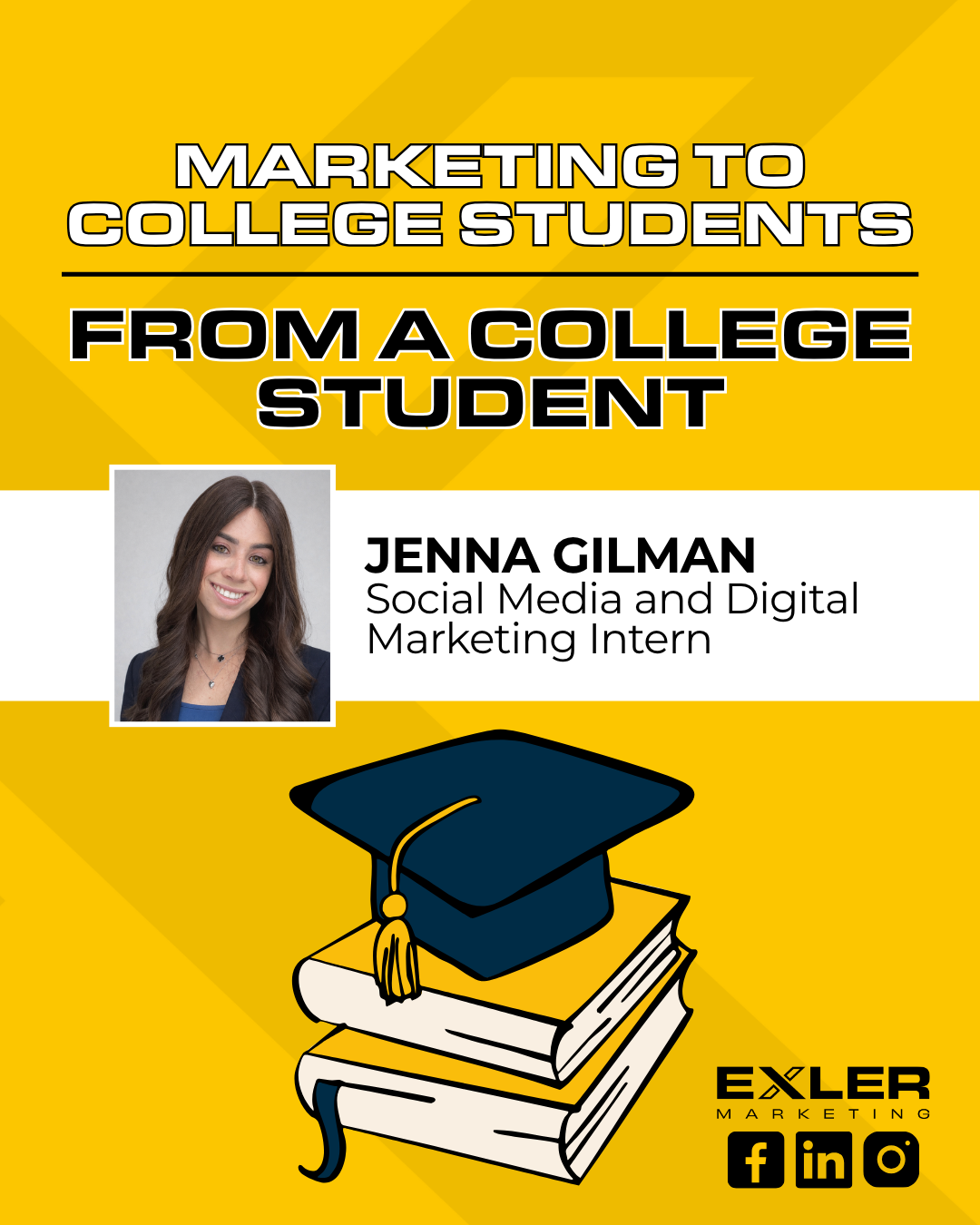
Marketing to College Students, From a College Student
TL;DR (Too Long; Didn’t Read): College students are constantly exposed to advertisements, promotions, and branded content. The organizations that stand out are not always the loudest, they are the ones that feel authentic, show up in the right places, and build real connections with students. Understanding how students think, communicate, and make decisions can help create more effective marketing strategies.
Marketing to college students can be challenging because students are exposed to countless advertisements, emails, social media posts, and promotional messages every day. As a result, gaining their attention requires more than simply increasing visibility. Organizations must understand how students communicate, where they spend their time, and what influences their decisions.
College students value authenticity, convenience, and meaningful experiences. They are often quick to ignore content that feels overly promotional or disconnected from their interests. At the same time, they are highly engaged online and frequently rely on peer recommendations, social media, and campus communities when making decisions.
Successful marketing strategies recognize these behaviors and focus on building trust and connection rather than simply delivering advertisements. The following tips highlight several ways organizations can more effectively reach and engage college students.
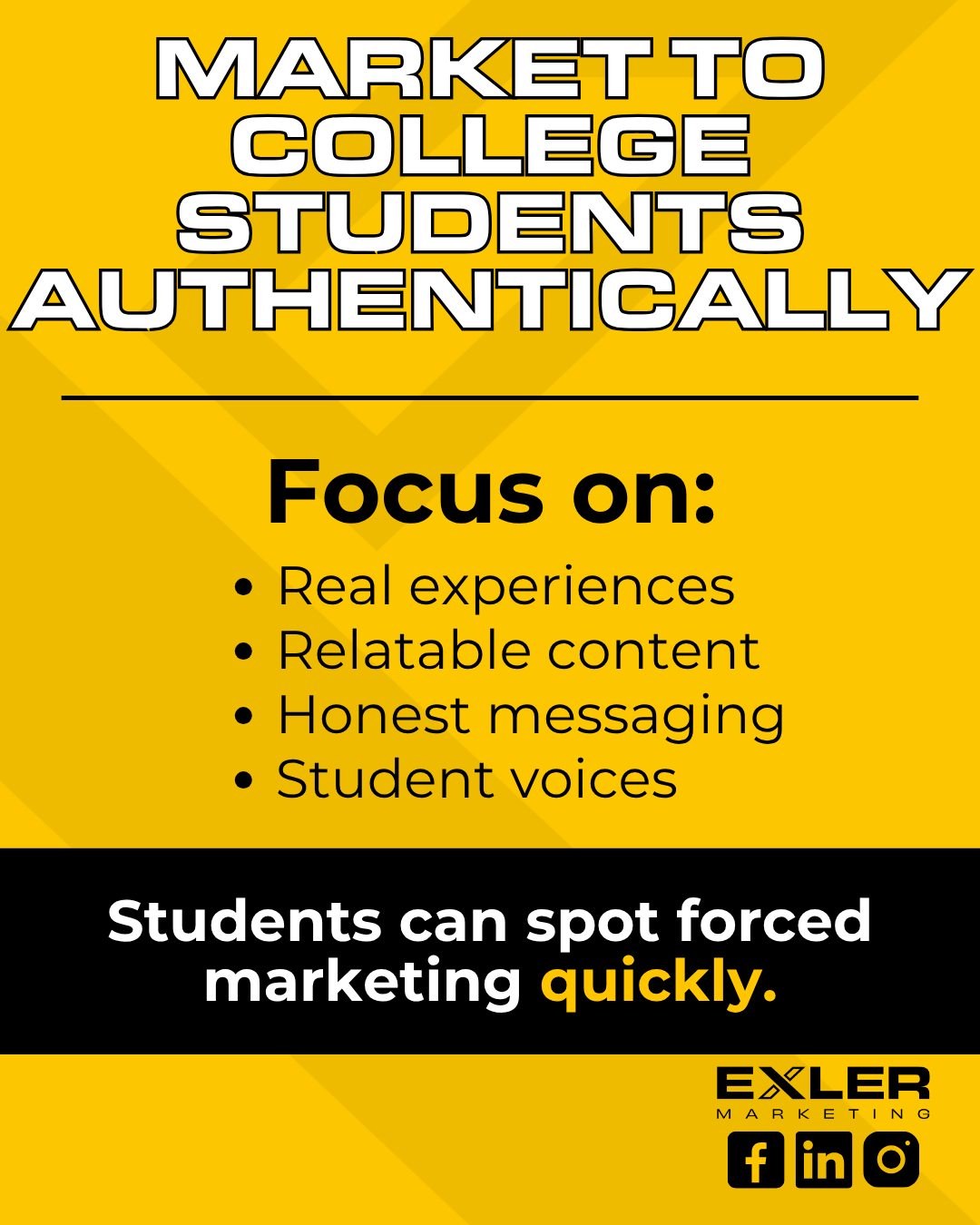
Authenticity Matters More Than Ever
One of the biggest mistakes organizations make when marketing to college students is trying too hard to sound relatable. Students are highly aware of marketing tactics and can usually tell when content feels forced or disconnected from their experiences.
The most successful campaigns often feature genuine student perspectives, real stories, and honest messaging. Instead of focusing solely on selling a product, service, or event, organizations should focus on building trust. Students are more likely to engage with content that reflects their actual interests, challenges, and goals.
When marketing feels authentic, students are more willing to pay attention and engage with the message.
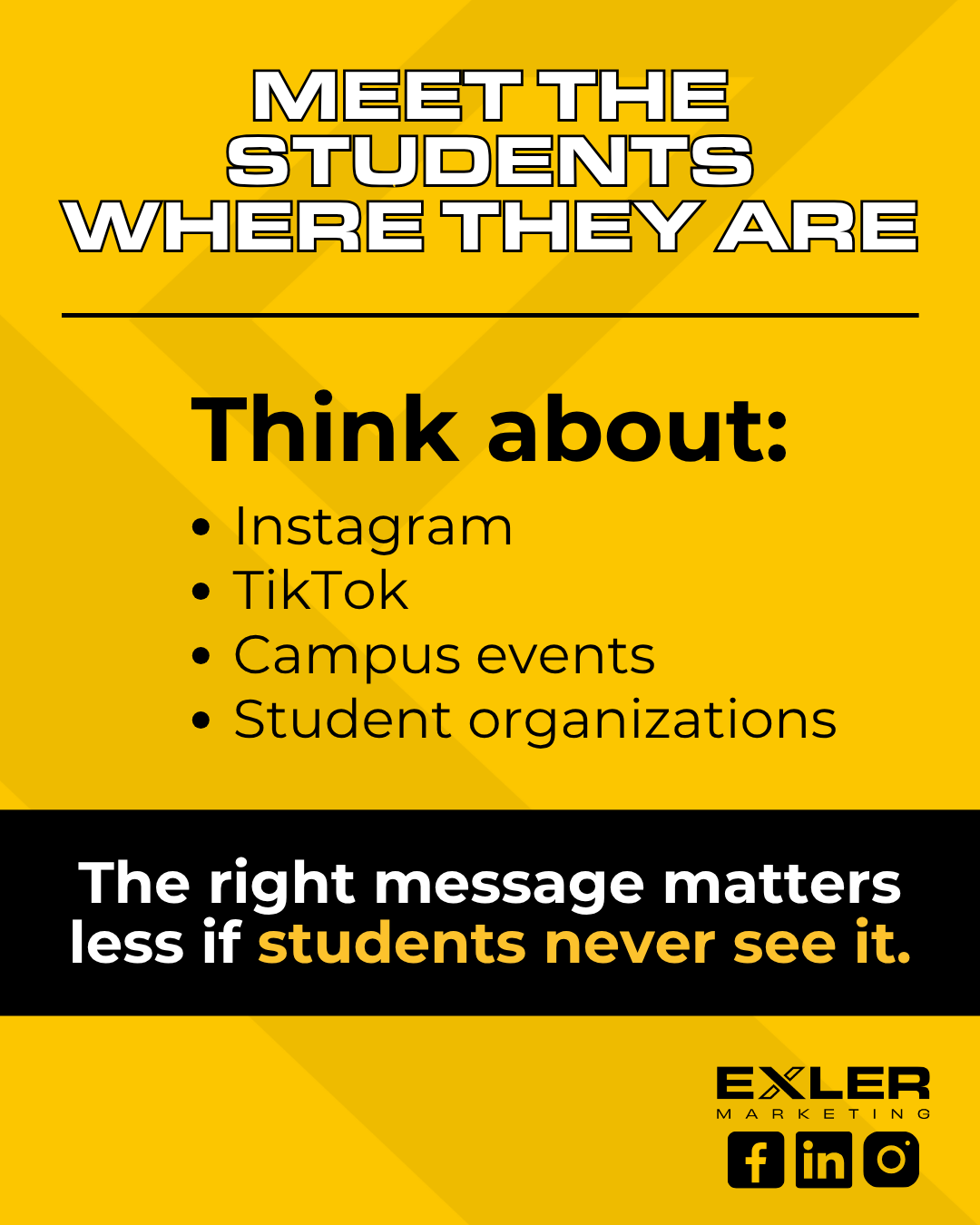
Meet Students Where They Already Spend Their Time
Even the strongest message can be ineffective if students never see it. College students spend a significant amount of time on social media platforms such as Instagram and TikTok, making these channels valuable tools for reaching student audiences.
However, digital platforms are only part of the equation. Campus events, student organizations, and peer networks continue to play an important role in how information spreads throughout college communities.
Rather than expecting students to seek out information, successful marketers place content in spaces where students are already active. Combining online and in-person outreach can help organizations maximize visibility and engagement.
Focus on Connection Instead of Promotion
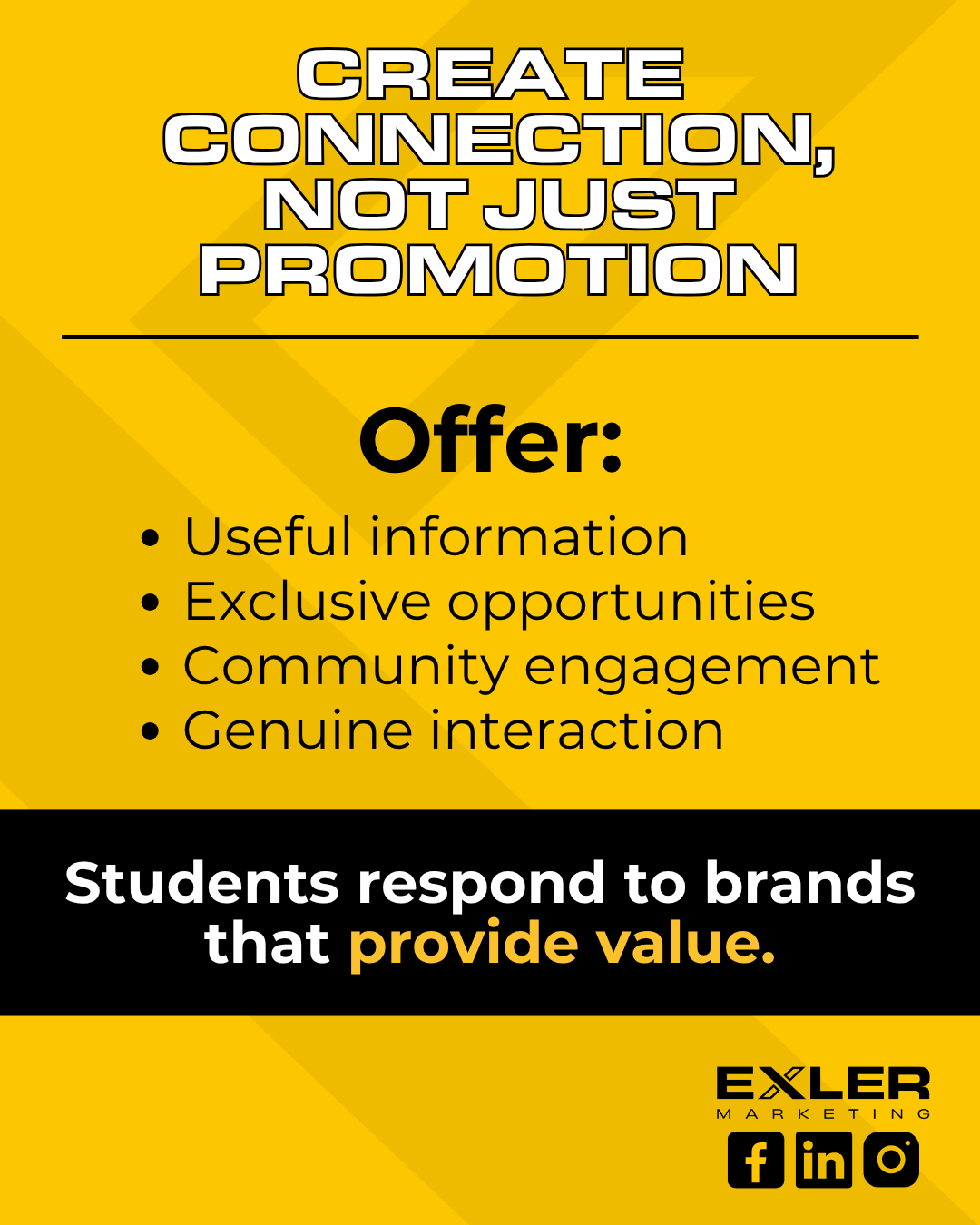
Students are constantly exposed to promotional content. As a result, traditional advertising alone may not be enough to capture attention.
Many students are more likely to engage with organizations that provide value beyond promotion. This might include sharing helpful information, creating opportunities for involvement, supporting student initiatives, or building a sense of community.
Strong marketing creates a relationship rather than a transaction. When students feel that an organization understands their needs and interests, they are more likely to remain engaged over time.
Marketing to college students is most effective when it feels authentic, reaches students through the channels they already use, and focuses on building meaningful connections. By understanding students as people rather than simply consumers, organizations can create campaigns that resonate and leave a lasting impact.
If there is one takeaway, it is that students want to feel understood before they feel persuaded.
If your organization wants to better engage college students, understanding what resonates with today's student audience can make all the difference. Focusing on authenticity, meaningful engagement, and the platforms students use most can help create stronger connections and more effective marketing efforts.
Exler Marketing works with businesses to develop strategies that connect with audiences and encourage meaningful engagement. Contact our team to start building content that helps move people from scrolling to clicking.
About the Author: Jenna Gilman is a Social Media & Digital Marketing Intern at Exler Marketing and a Psychology and Communication double major at the University of Maryland. Drawing from both her academic background and firsthand experience as a college student, she enjoys exploring marketing strategies that help brands build authentic connections with Gen Z audiences.
If you’re looking for more practical tips to improve your marketing and communication strategies, stick with us here on #TheGroundFloor. We’re going to continue sharing insights that help you level up your digital presence one step at a time.
Keep exploring #TheGroundFloor and stay connected with us on Facebook, Instagram, and LinkedIn.
