
Why Flexibility Matters in Marketing
TL;DR (Too Long; Didn’t Read): Marketing is constantly changing, and strategies that worked in the past may not always work today. Businesses that stay flexible, monitor performance, and adapt to audience behavior are better positioned to stay relevant, improve results, and grow long term.
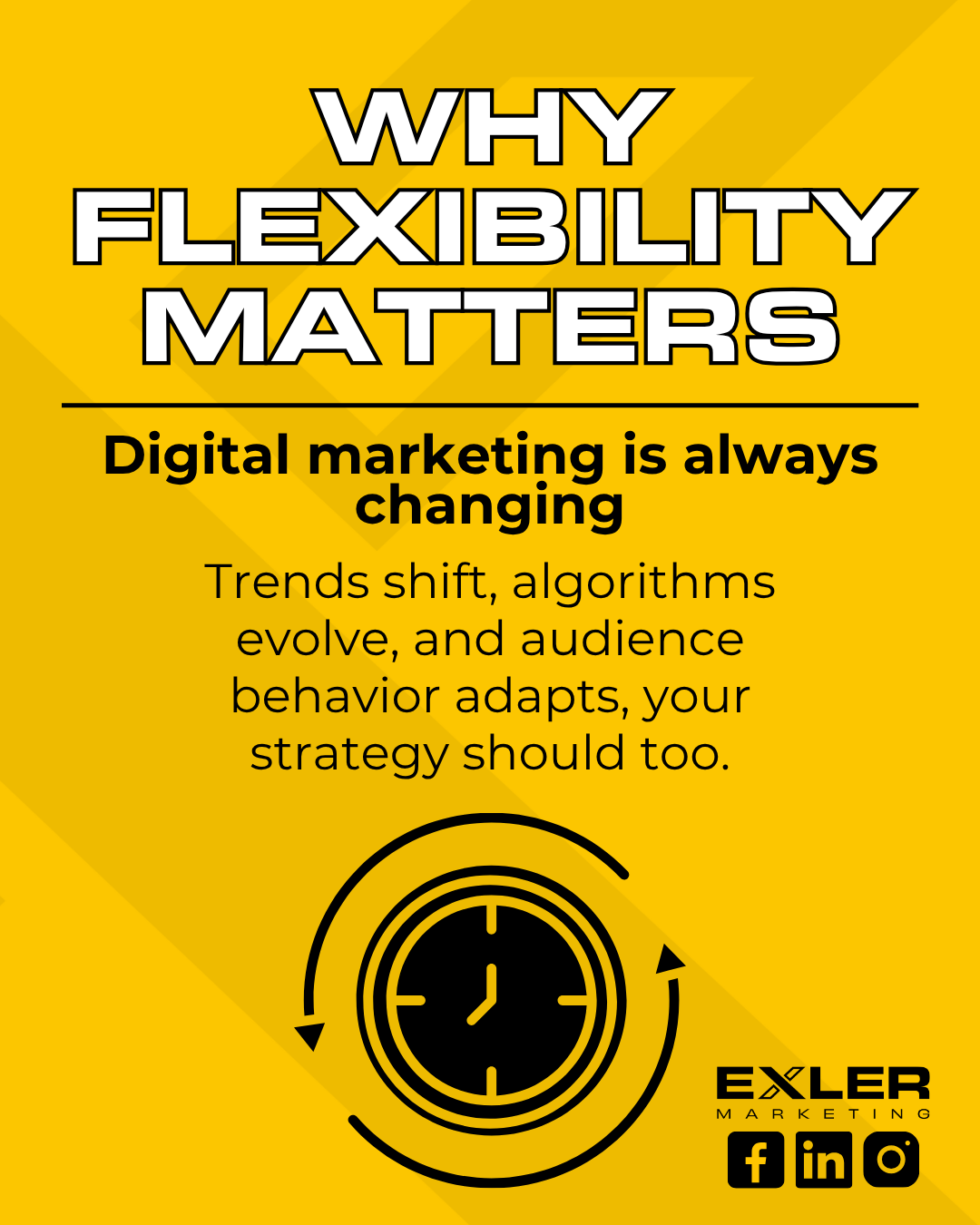
Digital marketing never stays the same for long. Platforms evolve, audience behavior shifts, and trends move faster than ever. A strategy that worked well a few months ago may not deliver the same results today. That is why flexibility has become one of the most important parts of effective marketing.
Businesses that stay adaptable are often the ones that continue growing, even as the digital landscape changes around them.
Marketing Is Constantly Evolving
Every platform changes over time. Social media algorithms update, new content formats emerge, and the way audiences consume information continues to shift. What people responded to a year ago may no longer capture their attention today.
This is why marketing cannot be treated like a one-time setup. Strategies need room to evolve. Brands that stay too attached to outdated tactics often struggle to maintain engagement because they are speaking to audiences in ways that no longer resonate. Flexibility allows businesses to move with these changes instead of falling behind them.
Understanding Your Business Comes First
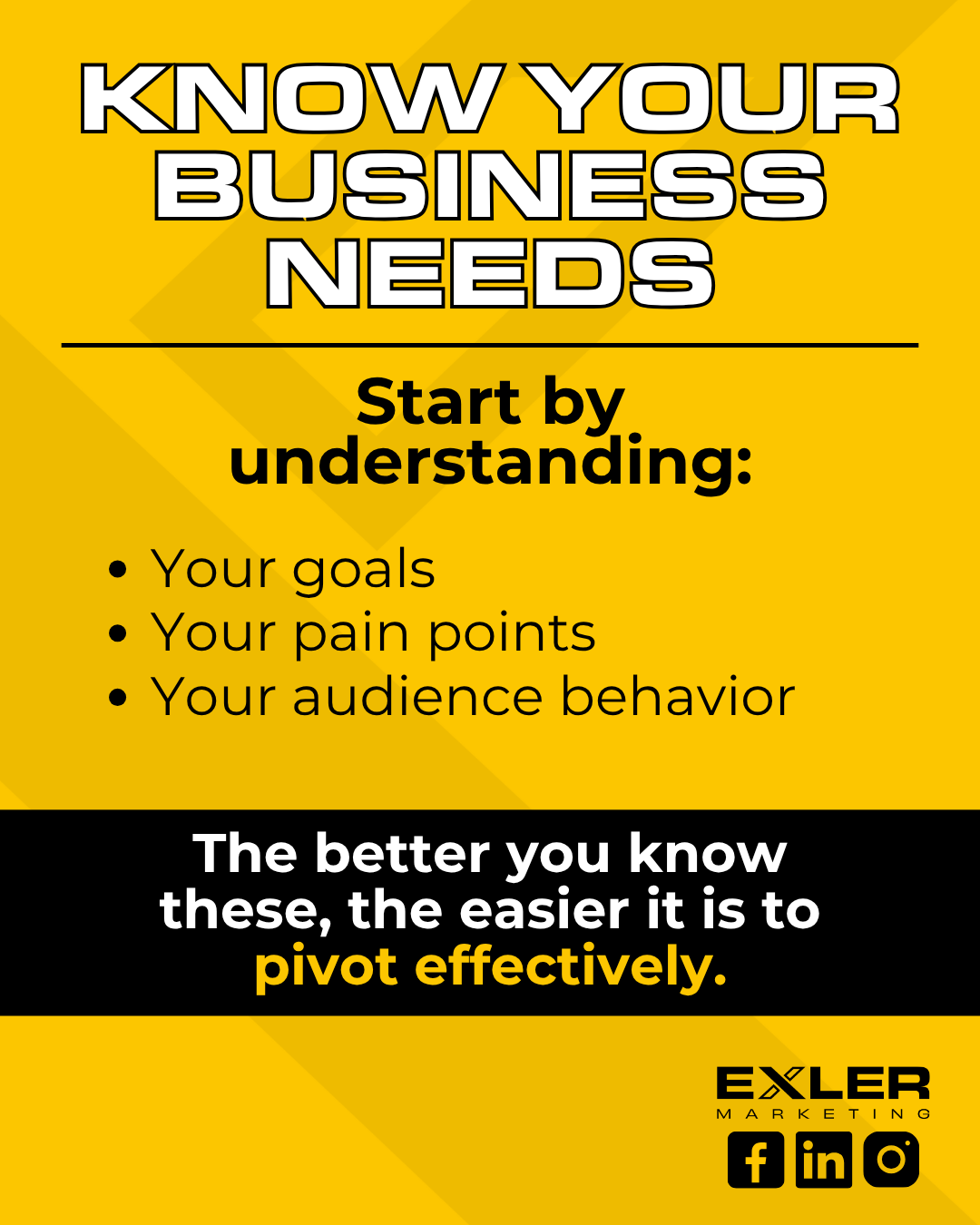
Before adjusting a strategy, businesses need a clear understanding of their own goals and audience. Flexibility works best when it is intentional. When you understand your business needs, pain points, and customer behavior, it becomes easier to make smarter marketing decisions. Instead of changing direction randomly, you can adapt your strategy in ways that still support your larger goals.
Pay Attention to What the Data Is Saying
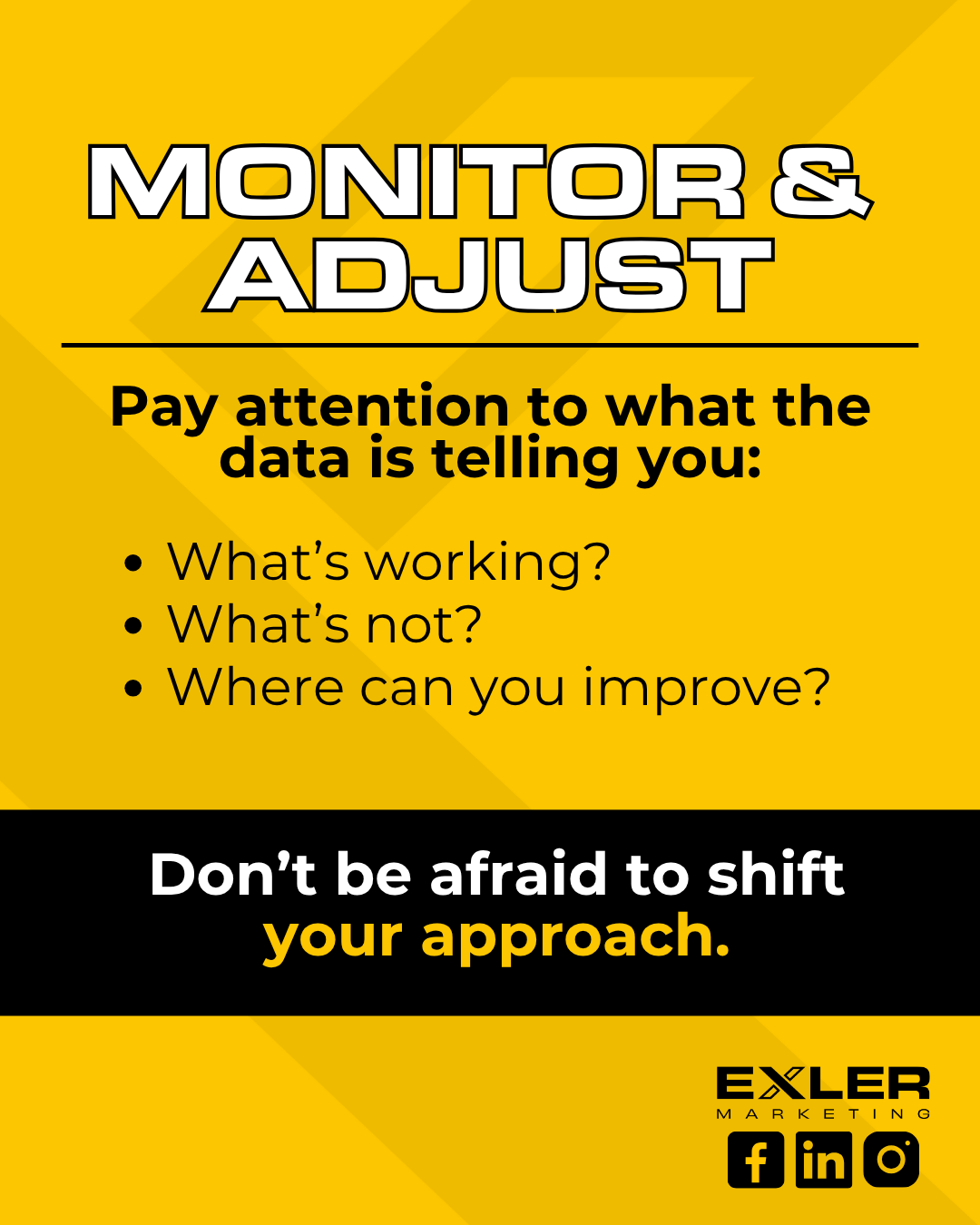
One of the biggest advantages of digital marketing is the ability to monitor performance in real time. Data can reveal what content is connecting with your audience, where engagement is dropping, and what strategies may need adjustment.
Businesses that regularly review their analytics are better positioned to improve their marketing over time. Instead of assuming something is working, they can make decisions based on actual performance. And sometimes small changes can make the biggest difference. Adjusting messaging, testing a new content format, or refining targeting can often improve results without requiring a complete overhaul.
Want help implementing data into your marketing strategy? Explore our Digital Marketing Strategy page.
Flexibility Does Not Mean Losing Consistency
A common misconception is that flexible marketing means constantly chasing every trend. In reality, flexibility and consistency should work together.
Your core brand identity should remain recognizable, even as your strategy evolves. The goal is not to abandon your messaging every time the market changes. The goal is to stay aware enough to adapt when something is no longer effective.
The most successful brands are usually the ones that balance consistency with the willingness to improve.
Growth Comes From Adaptation
The digital landscape will continue changing, whether businesses are prepared for it or not. Brands that remain open to learning, testing, and adjusting are often the ones that build stronger long-term results.
At Exler Marketing, we believe effective marketing strategies should grow alongside your business. Flexibility creates space for improvement, innovation, and stronger audience connection, all of which are essential for long-term success in a constantly evolving industry.
If you’re looking for more practical tips to help your business build trust and grow smarter, stick with us here on #TheGroundFloor. We’re going to continue sharing insights that help you level up your digital presence one step at a time. On Exler Marketing’s social media pages, we’re constantly sharing quick, practical marketing tips, including the one featured here! Check it out on our Instagram here.
Keep exploring #TheGroundFloor and stay connected with us on Facebook, Instagram, and LinkedIn.
